A Beginner's Guide to Keeping a Nature Journal on a Small Farm
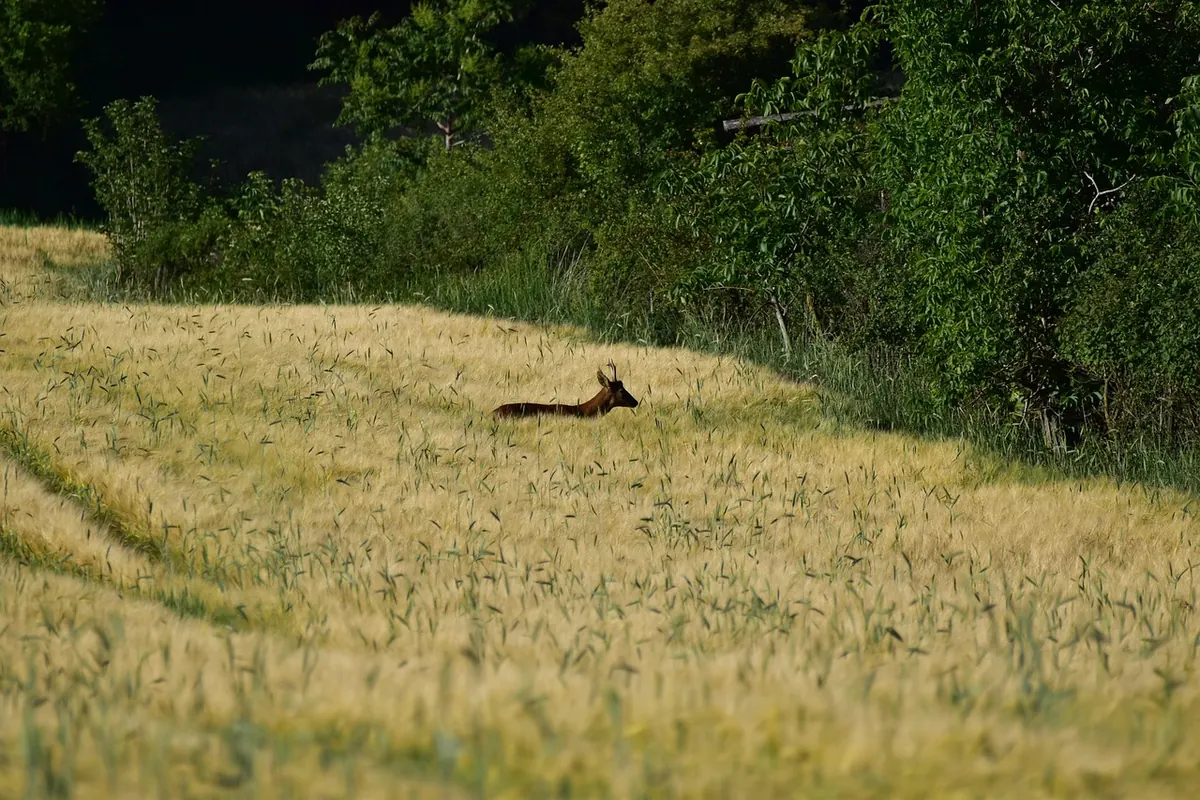
The best time to start a nature journal is the morning you notice something and have nowhere to put it. A sparrowhawk low over the hen run. Fox tracks hardened in the frost by the gate. The first swallow, three weeks earlier than you expected. Farm days are full of these moments and they pass quickly. A notebook gives them somewhere to live, and by the end of a year you own a record of your own place that nobody else could have written.
Why a small farm is unusually good ground for this
Small farms are patchworks. A hedge, a wet corner, a muck heap, a gate that never quite closes. Wildlife gathers along the seams between those places — the ditch beside the track, the rough strip under the fence, the sheltered side of the barn. You also walk the same route most days, and repetition is the one thing a nature journal genuinely requires.
That repetition turns a list of sightings into something better. You learn which field the lapwings use in March and which one they leave in April. You notice the frogs reach the pond within a day or two of a particular kind of warm rain. None of it is dramatic. All of it is local, and local is the whole point.
Tools that survive mud, rain and coat pockets
Buy almost nothing. The kit below costs very little and holds up to farm conditions, which is more than can be said for a nice leather-bound journal left on a fence post.
- A pocket notebook with a water-resistant cover. Keep it small enough to carry without thinking about it.
- A pencil. It writes on damp paper and does not freeze or leak.
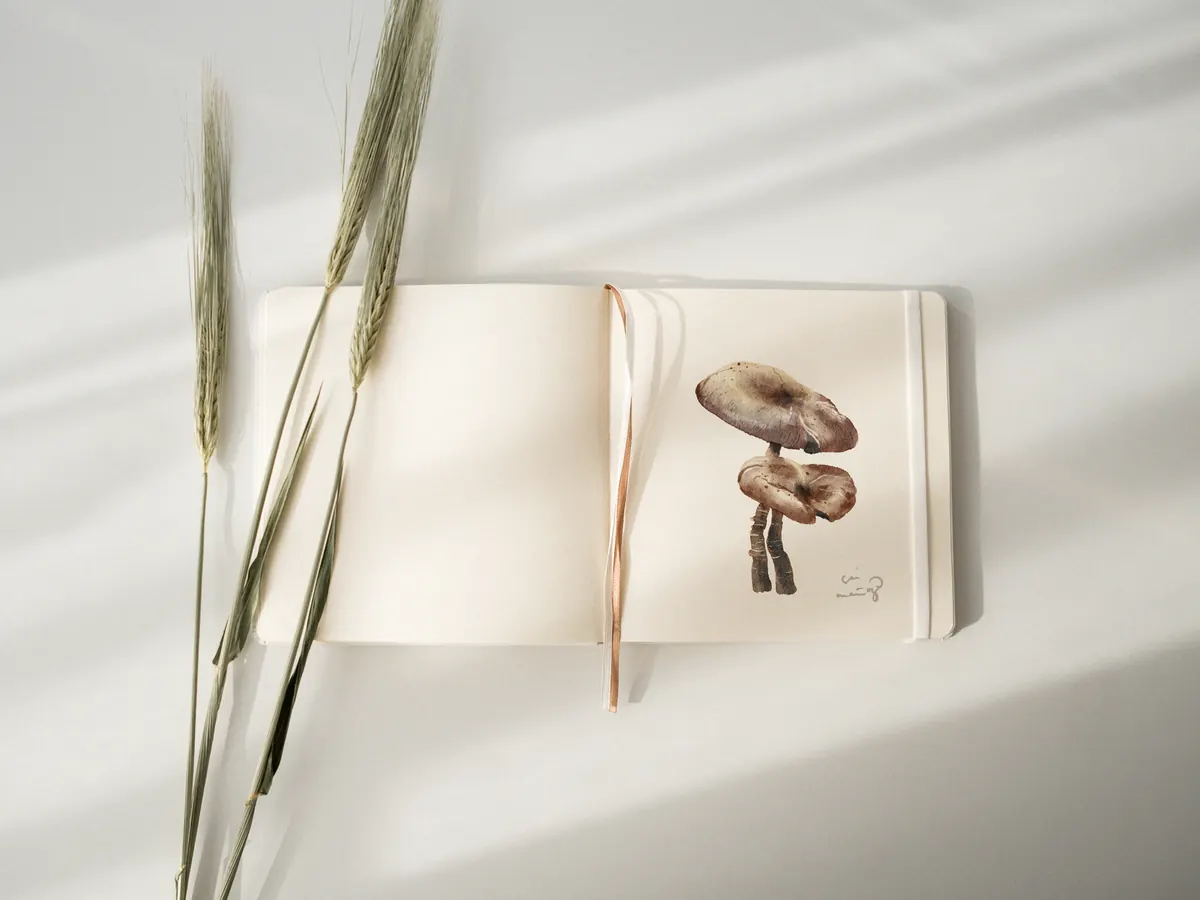
- A second, larger notebook that stays indoors, where you copy up notes and add sketches.
- A hand lens for seed heads, insects and leaf damage.
- A short ruler for measuring tracks, leaves and the depth of puddles.
- A basic thermometer and a straight-sided rain gauge. Simple instruments, read the same way every day.
- Your phone camera for things you cannot identify in the moment — photograph them and write the note later.
Hang a canvas bag with the pocket notebook, pencil and lens on a hook by the door. Anything stored in a drawer stops being used by the second week.
A page layout that takes thirty seconds
Do not design an elaborate system. Four lines at the top of each entry will do: date, time, place, weather. Then write what you saw, heard or smelled, in whatever order it arrived. Leave a margin down the side for questions you cannot answer yet — "what laid these eggs?", "which willow is this?" — and go back to them when you have a field guide or a wet afternoon.
Keep a "firsts" page at the back: first swallow, first frost, first frogspawn, first wasp at the apples. It becomes the most-read page in the book. And draw badly without apology. A rough shape with a note about size and colour is worth more than a blank space where a good drawing should have been.
Prompts for days when nothing seems to be happening
Quiet days are the ones that teach you to look properly. Work down this list when the page stays empty.
- What is the loudest sound right now, and what is the quietest?
- Which way is the wind moving the grass, and has it shifted since morning?
- What has changed at the edge of the yard since last week?
- Where is the water sitting, and where has it drained away?
- What tracks are in the mud by the trough?
- Which plants are flowering, and which are setting seed?
- What is the soil like in your hand — wet, cold, crumbly, compacted?
- What is the first bird you hear, and the last one before dark?
Seasonal routines that keep the habit alive
Spring
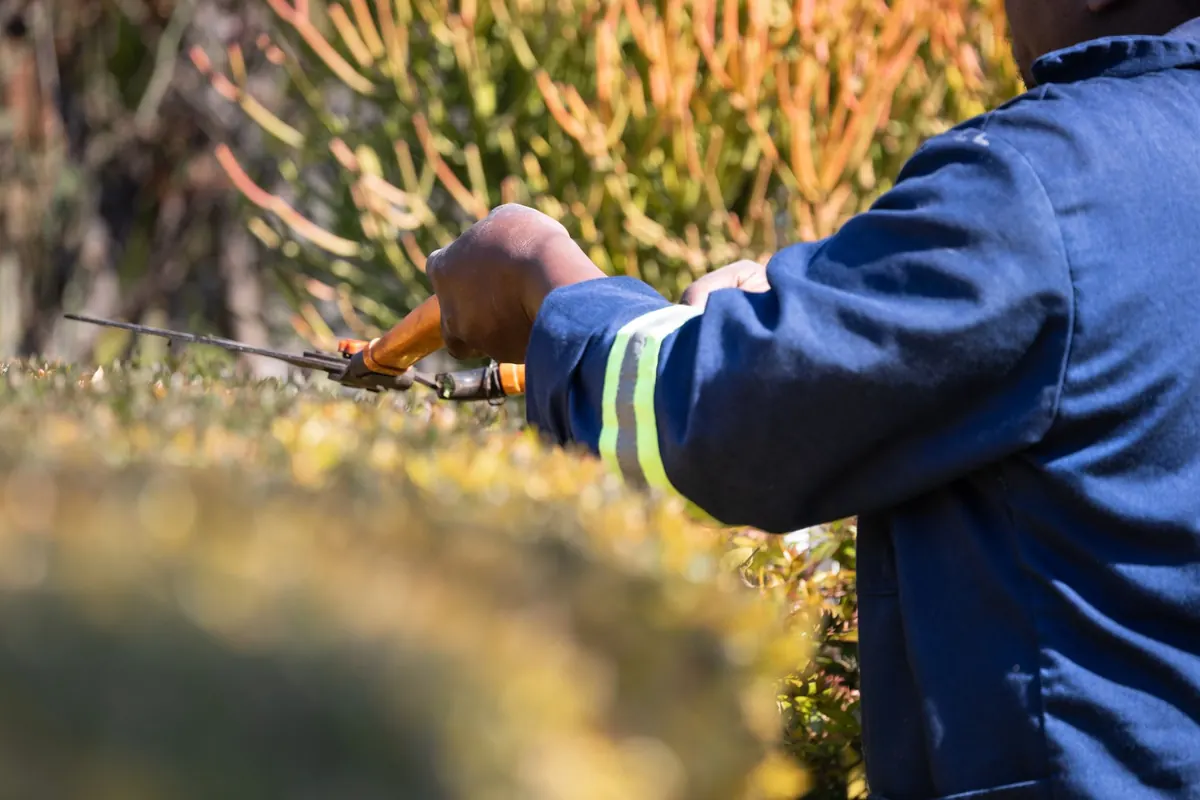
Walk the hedges weekly and note buds, blossom and nesting activity. Record frogspawn and tadpole dates. Note the first cut of grass and what the birds do in the field immediately afterwards.
Summer
Get out early, before the heat flattens everything. Count what visits the flowering margins and the water trough. Note the first wasps at fallen fruit and the first bats over the yard.
Autumn
This is the season for berry crops, seed heads and movement. Watch for flocks gathering, note the last swallows, and record what the hedgerow holds — hawthorn, sloe, rosehip — and how quickly it is stripped.
Winter
Bare trees, wet ground and tracks make winter the best season for reading a farm. Follow footprints after rain or snow and sketch them. Note first and last frosts, ice on the trough, and which birds join the resident ones at the feeders.
Weather notes: worth keeping, not worth trusting
Record rainfall, temperature, wind direction and cloud cover at the same time each day. Over a couple of years this becomes genuinely useful — you will know how your particular valley behaves, where frost settles and which way the weather usually arrives. Just be clear about what a journal cannot do. It is a record, not a forecast. If livestock, spraying or travel decisions depend on the weather, use official forecasts and local advice rather than your own pages.
The fifteen-minute habit
Attach the journal to something you already do — the morning feed round, the walk back from shutting in. Same time, same route, fifteen minutes, and stop when the time is up. Once a month, read back through the last few weeks; once a season, read the same weeks from a year ago. The gaps do not matter. An honest line a day, kept for a year, will tell you more about your farm than any guidebook written for somewhere else.
Photo: Cyrel Manozo / Pexels