Common Mistakes When Living with Wildlife in Rural Areas
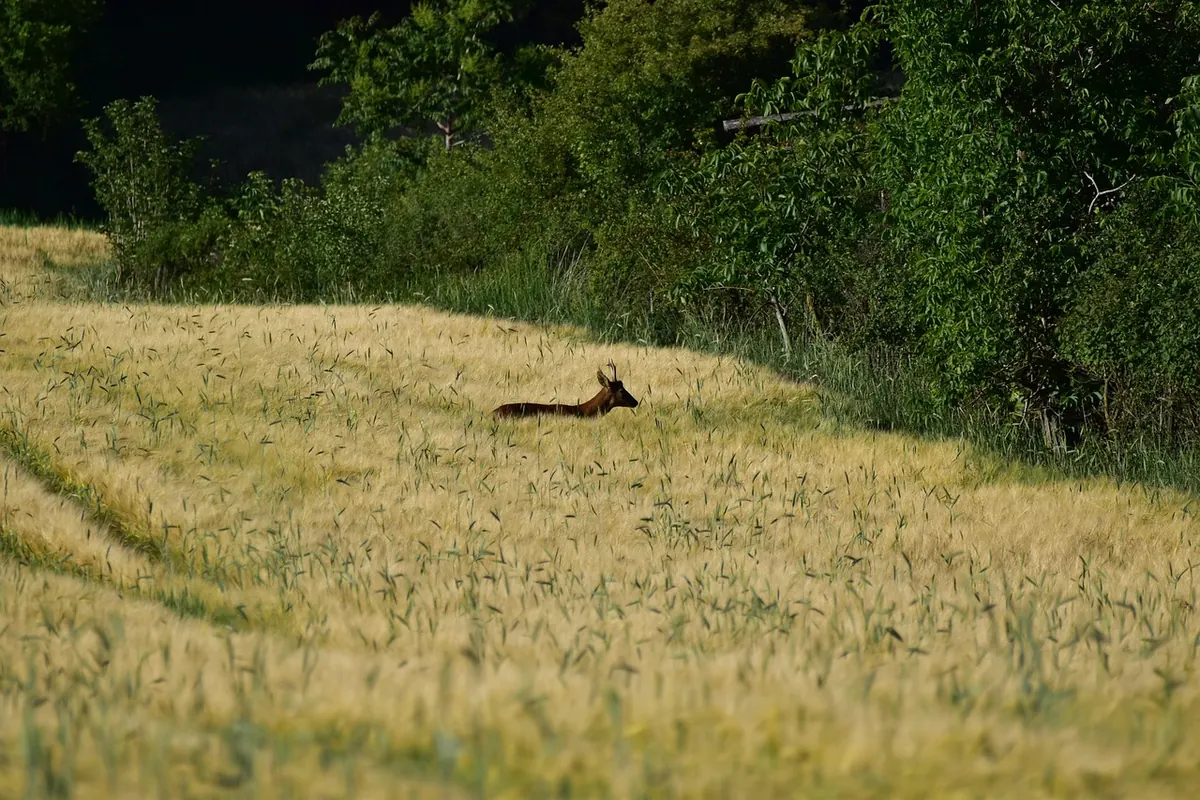
Most people who move to the country do it for the wildlife. The deer at dusk, the foxes trotting along the fence line, the owls calling from the treeline. Then the raccoons get into the trash, the groundhogs flatten the garden, and the coyotes start eyeing the chicken coop. Suddenly the animals feel less like neighbors and more like a problem.
What surprises many new rural residents is how often the conflict is self-inflicted. Not maliciously, and not stupidly — just through habits that made perfect sense in the suburbs. A bird feeder here, a bag of dog food left on the porch there. Small choices with big consequences. Fixing those choices is usually easier than people expect, and it protects both the animals and the household.
Mistake One: Feeding Wildlife on Purpose
It starts innocently. A few corn cobs for the deer, a dish of cat food for the fox, bread crusts for whatever wanders by. The trouble is that feeding changes animal behavior in ways that almost always end badly.
Deer that learn to associate people with food lose their natural caution. They start lingering near roads, which puts them in front of cars. Raccoons that find a reliable food source will return nightly and often bring friends. Coyotes and bears that get used to handouts can become bold enough to threaten pets and, in rare cases, people. Once an animal is labeled a nuisance, it's usually the animal that pays the price.
Unintentional feeding matters too. These all count as wildlife buffets:
- Bird feeders left up through the night, spilling seed onto the ground for raccoons, rats, and deer
- Pet food bowls left outside, even for an hour after dark
- Compost piles containing fruit scraps, eggshells, or greasy kitchen waste
- Fallen fruit left to rot under apple and pear trees
- Barbecue grills left uncleaned with grease still on the grate
If you want to feed birds, that's fine — just bring feeders in at dusk, use a tray to catch spillage, and clean up beneath them regularly. If you want to watch deer, use binoculars instead of a feed pile. Enjoying wildlife and feeding it are two different hobbies, and only one of them keeps everyone safe.
Mistake Two: Handling Garbage and Waste Loosely
Trash is the single most common flashpoint between rural households and wildlife. To a raccoon, a loosely tied bag on the porch is an invitation. To a bear, a garbage can is a puzzle box worth solving.
The fix is boring but effective. Store garbage in a sturdy bin with a locking or latching lid, and keep it in a garage, shed, or heavy-duty enclosure until pickup morning. Don't set bags out the night before. Rinse food containers before they go in the bin — the smell is what draws animals in, not just the contents.
Beyond the kitchen bin, think about the other waste streams on your property:
- Poultry and livestock feed: store in sealed metal containers, not open bins or bags in a shed
- Livestock carcasses: bury deeply and away from waterways, or check with your county about disposal options
- Grease and cooking oil: never pour it on the ground or into a compost pile
- Beehives and fruit drops: windfall fruit should be collected and removed, not left to ferment
A note on local rules: many counties and states have specific regulations about feeding wildlife, disposing of animal waste, and what counts as a nuisance animal. Requirements vary widely, so check with your state wildlife agency or county extension office before you decide how to handle a persistent problem.
Mistake Three: Building Fences That Don't Actually Work
A fence is a commitment, so it's worth getting right the first time. The most common error is buying the wrong type for the species you're dealing with.
Match the fence to the animal
Deer are jumpers, not climbers. A short fence in the garden is basically a suggestion. To keep deer out of a vegetable patch, you generally need height — often around eight feet — or a double-fence design that confuses their depth perception. Some gardeners have good luck with angled, slanted fencing that deer won't attempt.
Groundhogs, rabbits, and skunks are diggers. They'll tunnel under anything, so bury the bottom of the fence a foot or two deep, or bend it outward at the base in an L-shape. This single step solves a remarkable number of garden complaints.
Raccoons are climbers and are strong enough to peel back a lid or a loose fence panel. A floppy, overhanging top section — often called a wire apron — works better than height alone, because they can't get a grip to pull themselves over.
Fencing mistakes worth avoiding
- Leaving gaps at gates, corners, and where fence meets building walls.
- Using lightweight netting for large animals that will simply push through it.
- Forgetting that electric fencing needs a good ground and regular checks — a dead strand teaches animals the fence is meaningless.
- Building high but shallow, then wondering why the digging continues underneath.
Also, check before you build. Some areas restrict fencing height, materials, or placement near wetlands. A quick call to your local planning office saves a lot of rework.
Mistake Four: Leaving Pets Unsupervised Outdoors
Outdoor cats and free-roaming small pets are the quiet cause of a huge share of rural wildlife conflict. A cat that hunts songbirds and young rabbits is, from the wildlife's perspective, a predator. From the coyote's perspective, that same cat is prey.
Small dogs left in an open yard at dusk are vulnerable to coyotes, hawks, and owls, especially in spring when predators are feeding young. Even a fenced yard isn't automatically safe — coyotes and foxes can dig or climb, and some dogs will dig right out to investigate.
Practical steps that make a real difference:
- Keep cats indoors or in a secure outdoor enclosure, particularly at dawn and dusk
- Take small dogs out on a leash after dark rather than letting them out alone
- Feed pets inside, and never leave bowls out overnight
- Keep dogs current on vaccinations and parasite prevention — wildlife contact raises the stakes
- Check your fence perimeter weekly for new digging or gaps
On the health side, rabies and other wildlife-borne diseases are genuine concerns, but they're best discussed with your veterinarian rather than handled with guesswork. If a pet tangles with a wild animal, call your vet promptly and follow their guidance.
Mistake Five: Panicking When an Animal Shows Up
Not every animal sighting is a crisis. A fox crossing the field, a snake in the woodpile, a possum under the shed — these are ordinary parts of rural life, and most resolve themselves without intervention. Possums, for instance, eat ticks and are almost comically uninterested in bothering anyone.
What does warrant attention is unusual behavior: a nocturnal animal out in broad daylight acting disoriented or aggressive, a raccoon that doesn't flinch when you approach, or any animal that seems sick. In those cases, keep people and pets away and contact your state wildlife agency or a licensed wildlife rehabilitator. Don't try to handle it yourself.
For ordinary visitors, the calm approach usually works. Remove the attractant — the trash, the feed, the fallen fruit — and the animal often stops coming around. Give it a few nights. Habit is what keeps wildlife returning, not curiosity.
A Few Habits Worth Building
Living well with wildlife comes down to a short list of practices: don't feed it, don't leave food or garbage where it can reach, fence for the species you actually have, keep pets close and fed indoors, and stay calm when something wanders through. None of that requires hostility toward the animals. It simply means keeping a little distance in the places where distance matters.
Walk your property once a season and look at it from an animal's point of view. Where would you go for an easy meal? That spot is your first fix. Do that, and you'll spend a lot more evenings watching the deer instead of chasing them out of the trash.
Photo: BerniPB / Pixabay