Monthly Seasonal Checklist: What to Prune, Plant, and Divide in a Temperate Garden
A garden calendar is a conversation, not a command. The sequence below assumes a temperate climate with four proper seasons and a last frost somewhere in mid-spring, but the order of the work matters far more than the exact week. Anchor everything to your own frost dates, then shift the whole list a fortnight either way. Here is how the year usually wants to unfold.
Late Winter: Prune the Dormant, Plan the Rest
January and February are quiet months, and quiet is useful. This is when you can see a shrub's skeleton — the crossing branches, the dead wood, the awkward stub you'd never notice in leaf. Structural pruning belongs here, while plants are dormant and their energy is safely underground.
- Cut back deciduous shrubs that flower on new wood: buddleia, cornus, salix, caryopteris, hardy hibiscus. A hard prune now means stronger growth and better flowers later.
- Prune repeat-flowering and shrub roses while they are fully dormant.
- Shorten late-flowering clematis to a low framework of fat buds, roughly a foot above soil level.
- Leave spring-flowering shrubs alone — forsythia, lilac, weigela, mock orange, deutzia. Pruning them now removes the flower buds. Do it straight after they bloom instead.
Bare-root hedging, roses, and fruit trees can still go in, provided the ground is neither frozen nor waterlogged. Sharpen your tools, order seed, and check stored dahlia tubers and cannas for shrivelling or rot.
Early Spring: Cut Back, Lift, and Divide
The signal for most of this work is new growth at the base of a plant, not a date on the wall. Watch the crown, and you will rarely get it wrong.
- Cut ornamental grasses to about 10–15 cm before new shoots appear. Wait too long and you snipped the tips off the new season.
- Divide perennials that flower from midsummer onward — asters, monarda, helenium, phlox, rudbeckia — as they come into growth. Lift the clump, replant the vigorous outer pieces, and discard the woody centre.
- Lift and divide snowdrops and winter aconites "in the green", right after flowering while the leaves are still working.
- Plant container-grown and bare-root shrubs, trees, and native perennials as soon as the soil can be worked. Roots get a full season to settle in.
Harden off seedlings gradually, and hold tender plants back until frost risk has genuinely passed. A warm week in March has fooled better gardeners than you.
Late Spring: Staking, Pinching, and the First Deadheading
By May, growth outruns good intentions. Put supports in early, while plants are small enough to grow through them without a fight — peonies, delphiniums, hollyhocks, tall asters.
- Pinch chrysanthemums and asters through early summer for bushier plants that flower a little later.
- Try the Chelsea chop: cut back one stem in three on late-flowering perennials in late May. Bloom is staggered, flopping is reduced, and the border holds together longer.
- Deadhead spring bulbs but leave the foliage for about six weeks. Those leaves are feeding next year's flower.
- Plant out tender annuals, dahlias, and cannas once the soil has warmed properly.
High Summer: Tidy, Prune, and the Iris Window
July and August are for maintenance rather than ambition. Water deeply and less often, and get the hose to the roots rather than the flowers. Deadhead roses and daylilies to keep them producing, but consider leaving echinacea, rudbeckia, and grass seedheads standing for the birds.
- Bearded iris: divide and replant in July or August, after flowering. Set the rhizomes at the surface and let them bake in the sun.
- Wisteria: shorten long whippy summer shoots to about five or six leaves. Repeat in winter, cutting back to two or three buds.
- Sow biennials for next year — foxgloves, wallflowers, honesty.
- Stop feeding woody plants by midsummer, so soft new growth hardens before the cold arrives.
Autumn: The Best Planting Weeks of the Year
September and October are the finest weeks in the temperate calendar for putting things in the ground. The soil is still warm, rain returns, and roots keep growing long after the leaves have dropped. Almost nothing you plant now needs mollycoddling.
- Plant trees, shrubs, hedging, perennials, and spring bulbs.
- Divide peonies, daylilies, hostas, and phlox while the soil is workable.
- Get daffodils, crocus, muscari, and alliums into the ground. Tulips can wait until November; colder soil suits them.
- Leave seedheads and hollow stems standing for overwintering insects. Cut back only what is diseased, slimy, or collapsing across a path.
Winter: Protect, Prune, and Stop
November and December are for finishing, not starting. Plant tulips and garlic, put bare-root shrubs and roses in while they are dormant, and mulch after the soil has cooled so you are not wrapping a warm blanket around it too early. Structural pruning of dormant trees and shrubs continues, but avoid working in hard frost — brittle wood shatters. Clean and oil your tools, tip pots onto feet so they drain, and then leave the garden alone. Dormancy is a job too.
The Rules Behind the Checklist
- Prune after flowering, unless you know the plant blooms on new wood.
- Divide when the plant is not in flower and the soil is workable. Keep the outside of the clump, bin the middle.
- Plant in the shoulders of the season — early autumn first, early spring second.
- Work from your own frost dates, not a calendar borrowed from somewhere warmer or colder.
- Leave something behind: seedheads, stems, fallen leaves, a little untidiness.
If you remember nothing else, remember the fifth rule. The tidiest garden is rarely the liveliest one, and the plants that feed the insects and birds through winter are the same plants that give you something to look at in February. Keep a notebook, note what actually happened and when, and within two or three years you will have a calendar more accurate than any printed one — your own.
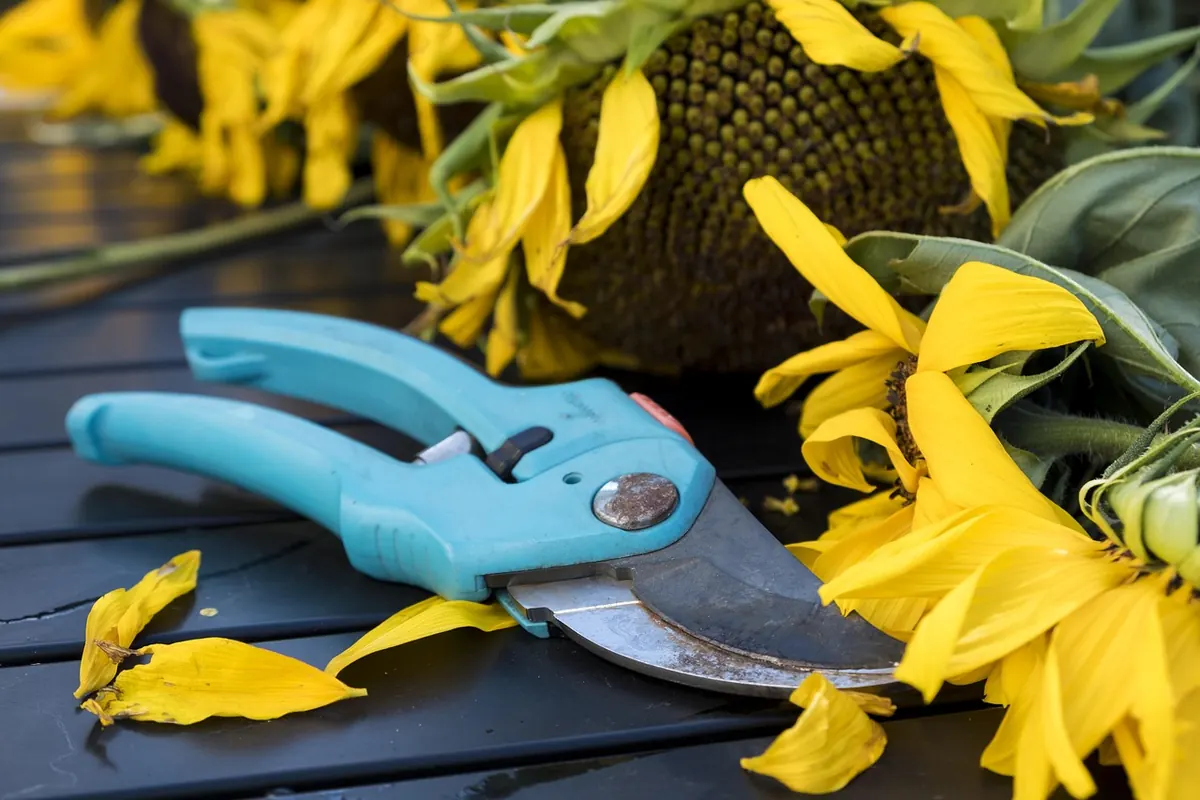
Photo: Bru-nO / Pixabay